


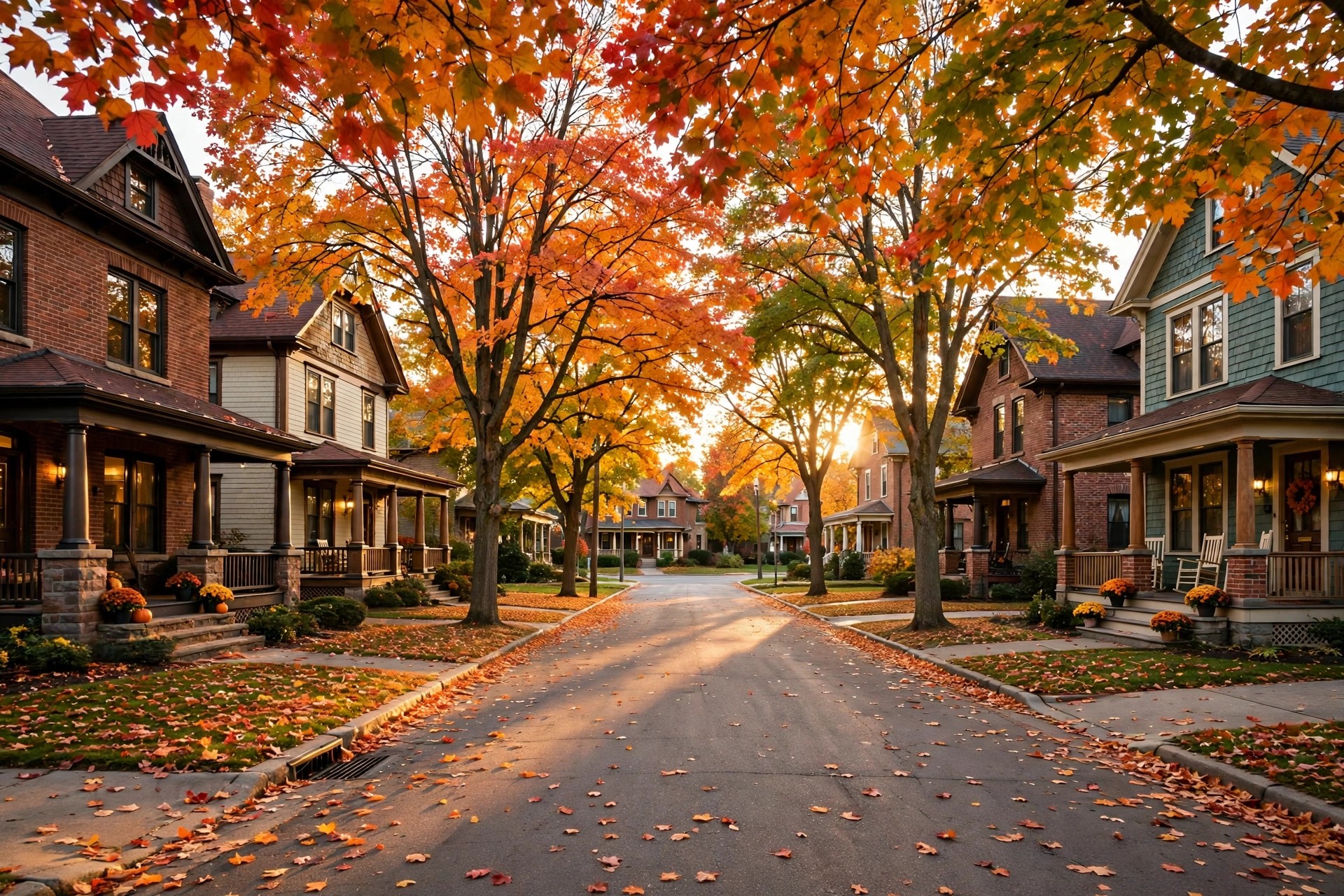
Ask ten people in Des Moines what the best neighborhood is and you'll get ten different answers — and every one of them will be right. After more than 15 years of helping people buy and sell homes across this metro, we've learned there's no single "best." There's only the best fit for your life: your schools, your commute, your budget, and the feel you want when you pull into the driveway.
So instead of a ranking, here's our honest local guide — the neighborhoods and suburbs our clients ask about most, and what each one does best.
First, a quick look at prices
As of late summer 2026, the metro's median sale price sat around $320,000. Here's how the areas in this guide compare (median sale prices, August 2026):
- Des Moines proper: ~$227,000 — the best value in the metro
- Ankeny: ~$344,000
- Urbandale: ~$364,000
- Waukee: ~$381,000
- Johnston: ~$392,000 — and Clive's typical home values run higher still, in the low-to-mid $400s
And here's the metro's best-kept secret: from almost anywhere on this list, downtown is about a 20-minute drive. Commute is almost never the tiebreaker here — lifestyle is.
In Des Moines proper
South of Grand & Waterbury — the classics. Stately older homes, huge trees, and front-porch streets near the Des Moines Art Center, Salisbury House, and Greenwood Park. These are some of the most sought-after addresses in the state, and homes here tend to hold their value through every market. If you love character and don't mind maintaining an older home, start here.
Beaverdale — charm that doesn't break the bank. Famous for its "Beaverdale brick" cottages, tree-lined streets, and a fall festival that shuts down the neighborhood in the best way. You get real community feel, solid houses, and prices closer to the Des Moines median than the suburbs — about ten minutes from downtown. First-time buyers who want character instead of a cookie-cutter subdivision love it here.
Ingersoll & The Avenues — the walkable one. Century-old homes on quiet streets, with Ingersoll Avenue's restaurants, shops, and coffee spots a short stroll away. It's the closest thing Des Moines has to big-city neighborhood living, and it's popular with everyone from young professionals to longtime residents who'd never live anywhere else.
Sherman Hill — historic, and close to everything. One of Iowa's oldest neighborhoods, full of beautifully restored Victorian-era homes, just minutes from downtown jobs and the Court Avenue district. If your dream home has a turret and a story, this is your place.
The suburbs
West Des Moines — the all-rounder. Our home turf, and the suburb that does a little of everything well: Jordan Creek shopping, the Valley Junction farmers market and main street, Raccoon River Park, strong West Des Moines schools, and neighborhoods at nearly every price point — from starter homes to the Glen Oaks area's luxury listings. If you can't decide, start here; there's a version of West Des Moines for almost everybody.
Waukee — new, growing, and built for families. One of the fastest-growing cities in Iowa, with the Waukee school district (including Northwest High School) as the big draw. Expect newer homes, new parks and trails — including the popular Triumph Park — and new construction still going up. If you want a newer house and top-rated schools, Waukee is usually the first name out of a family's mouth.
Ankeny — room to breathe. One of the largest suburbs in the metro, with two high schools, the Prairie Trail district's shops and restaurants, and block after block of newer family homes — generally a bit more house for the money than Waukee or Johnston. It's a favorite for buyers who want space, good schools, and an easy I-35 commute.
Johnston — quiet, green, and top of the market. Johnston posts some of the metro's highest prices, and living here explains why: mature neighborhoods, the Johnston school district, Camp Dodge, and Saylorville Lake right up the road for boating and weekend trails. It feels a little more settled and outdoorsy than the faster-growing suburbs.
Urbandale — established and central. Mature trees, well-kept mid-century and newer homes, Living History Farms, and a location that puts you within about 20 minutes of nearly everything in the metro. One quirk worth knowing: depending on the address, an Urbandale home can feed into Urbandale, Waukee, Johnston, or West Des Moines schools — so check the specific house, not just the city.
Clive — the Greenbelt suburb. Clive wraps around the Walnut Creek Greenbelt, with miles of trails running through town, established neighborhoods with big lots, and some of the metro's most desirable established homes. Homes here feed into either West Des Moines or Waukee schools depending on the address.
How to choose
When clients are torn between two areas, we ask three questions:
- Schools or no schools? If schools matter, Waukee, Johnston, Ankeny, and West Des Moines are the usual shortlist — and always verify the specific address.
- New or character? New construction points you to Waukee, Ankeny, and the edges of West Des Moines. Character points you to Beaverdale, South of Grand, and Ingersoll.
- What's your Saturday look like? Trails and the lake (Johnston, Clive), restaurants and shops on foot (Ingersoll, Valley Junction), or a big backyard and a quiet street (Ankeny, Urbandale)? Your weekends will tell you more than any stat sheet.
Let's find your fit
The best way to compare neighborhoods is to walk them. Browse homes for sale in each of these areas right on our site, then give us a call — we'll happily play tour guide and tell you what we'd tell our own family.
— Mitch & Sheila Dunn, RE/MAX Precision · 515-371-5002